
PROGRAM RECAP
Coding the Comeback:
Hawaiʻi ʻOpio Support the Return of ʻAlalā
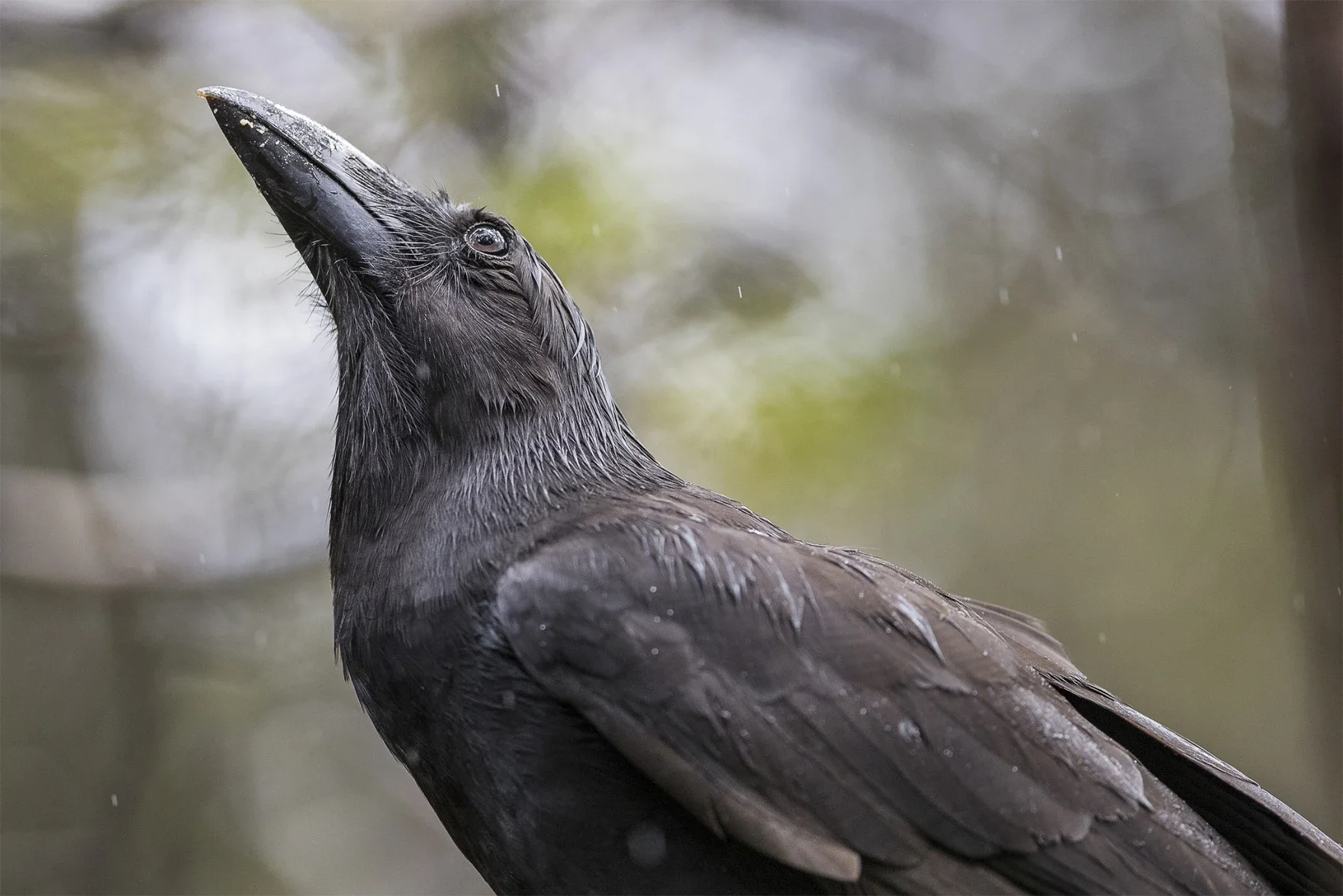
Twelve high school and university students from East Hawaiʻi came together for a free, two-day workshop to design a monitoring app for one of Hawaiʻi's most ambitious conservation efforts, the reintroduction of the ʻalalā, the Hawaiian crow, to the forests of Moku o Keawe.
September 5 to 6, 2026
Kaiāulu Hub, Prince Kūhiō Plaza
In partnership with
Keauhou Bird Conservation Center & ʻĀwili
REAL PROBLEM
Saving our Manu ʻŌiwi
The ʻalalā, the Hawaiian crow, was declared extinct in the wild in 2002. Captive-bred birds have been released back into Hawaiʻi Island forests since 2016, and Maui since 2024. The ʻalalā is a key seed disperser for at least 14 native plant species. Next year, more captive-bred ʻalalā will return to Hawaiʻi Island forests, supported by remote feeding stations equipped with cameras, scales, RFID readers, and environmental sensors. What KBCC did not yet have was a front end: a way for field staff to see and act on insights and data those stations collect.
Working alongside KBCC's own conservationists and ʻĀwili, our cohort took on the job of designing an app that real field staff could use to watch over the birds and the stations keeping them fed and thriving.
Building Working Prototypes in Two Days
DAY ONE
Understanding the User
Students interviewed KBCC staff, mapped out how conservationists move through their day, and sketched user journeys and paper mockups by hand. Each team then wrote a full product requirements document grounded in real feedback from the people who will use the app.
DAY TWO
Building With AI
Teams used AI coding tools to turn their designs into working prototypes, tested them with KBCC staff twice over the course of the day, and revised based on real feedback. Students concluded by shipping software that KBCC and team of students will continue to build on prior to the release in April 2027.
THROUGHOUT
Guided by Field Experts
Bryce Masuda from the team at Keauhou Bird Conservation Center, alongside Carlo Liquido (ex-Shopify), Auston Stewart (ex-Apple + Twitch), and Sara La Torre (ex-Cisco) guided student work and encouraged teams to design for how conservation work happens in the field.
The Moku Design Challenge is a place-based educational experience that tackles one major issue confronting Hawaiʻi communities. Each program focuses on a specific moku (district) and brings together approximately 30 high school students with subject matter experts, site visits (huakaʻi), and a design challenge that asks: What would you do?
Unlike traditional field trips or lectures, students engage directly with the complexity of real community challenges. They hear from stakeholders with different perspectives and priorities. They visit sites where solutions are being implemented. And they work together to design their own responses – whether that's a public awareness campaign, a policy proposal, or a community engagement strategy.
The experience includes:
Expert panels featuring community leaders, industry professionals, and policymakers with diverse viewpoints
Huakaʻi (site visits) to see solutions in action and understand challenges firsthand
Design challenges that ask students to synthesize what they've learned and propose tangible solutions
Community connection with local political champions and corporate sponsors invested in the issue
How can your school participate? Contact us.
How It Works
Morning: Understanding the Challenge
Students begin the day with context. What's the history of this issue? What are the competing priorities? Who are the stakeholders? Through expert panels and facilitated discussion, students develop a nuanced understanding of a complex challenge – and learn how to engage productively even when perspectives differ.
Midday: Seeing Solutions in Action
Huakaʻi take students to sites where innovation is happening. A modular housing development. An agricultural hub. A renewable energy installation. These aren't passive tours – they're opportunities to ask questions, challenge assumptions, and see how theory translates to practice.
Afternoon: Designing Solutions
Armed with context and real-world examples, student teams tackle a design challenge. The deliverable varies by topic – it might be a public relations campaign to build community support, a walkable neighborhood design, or an energy mix proposal that balances cost, environmental impact, and community needs. The goal isn't perfection; it's critical thinking, collaboration, and creative problem-solving.
Close: Call to Action
The day ends with concrete next steps. What can young people do to engage with this issue? How can they continue learning? Who can they connect with? Students leave not just informed, but empowered.
Why Moku-Based Learning?
Issues are local. While Hawaiʻi faces statewide challenges, solutions play out differently across moku. Water scarcity looks different in Kohala than in Lahaina or Moanalua. Housing pressures manifest differently in urban Honolulu than in rural communities. By focusing on students' own moku, we make abstract policy concrete and personal.
Expertise is accessible. Each moku has leaders working on these issues like developers, farmers, water managers, energy innovators, elected officials. Students don't need to imagine stakeholders; they meet them.
Student voice matters locally. Young people can engage most effectively in their own communities. Understanding local context and building relationships with local leaders creates pathways for ongoing civic participation.
Modeling productive dialogue. By bringing together experts with different perspectives and priorities, we show students how to engage constructively across disagreement – a critical skill for addressing complex challenges.